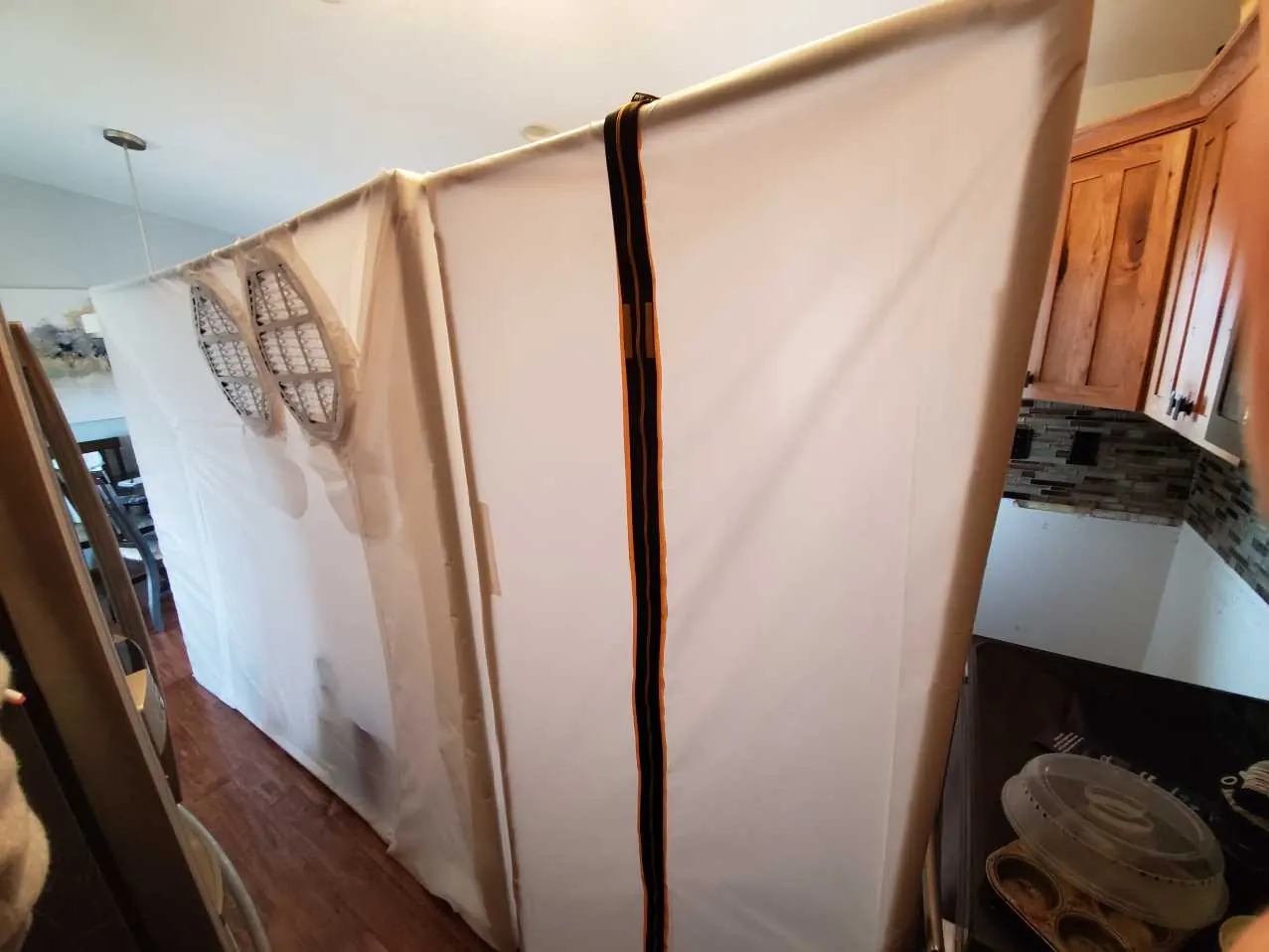
Containment
Protect the work area
Containment helps control the movement of dust and debris. We assess whether the job also calls for HEPA air filtration or pressure control.


Home / Services
DryDocs evaluates moisture and affected materials, plans protective controls, and explains what needs cleaning or removal before work begins.
Found mold after a leak or concerned about growth in your basement, attic, or crawlspace? We look at affected materials and moisture conditions, then explain how we’ll protect the work area and what needs cleaning or removal.
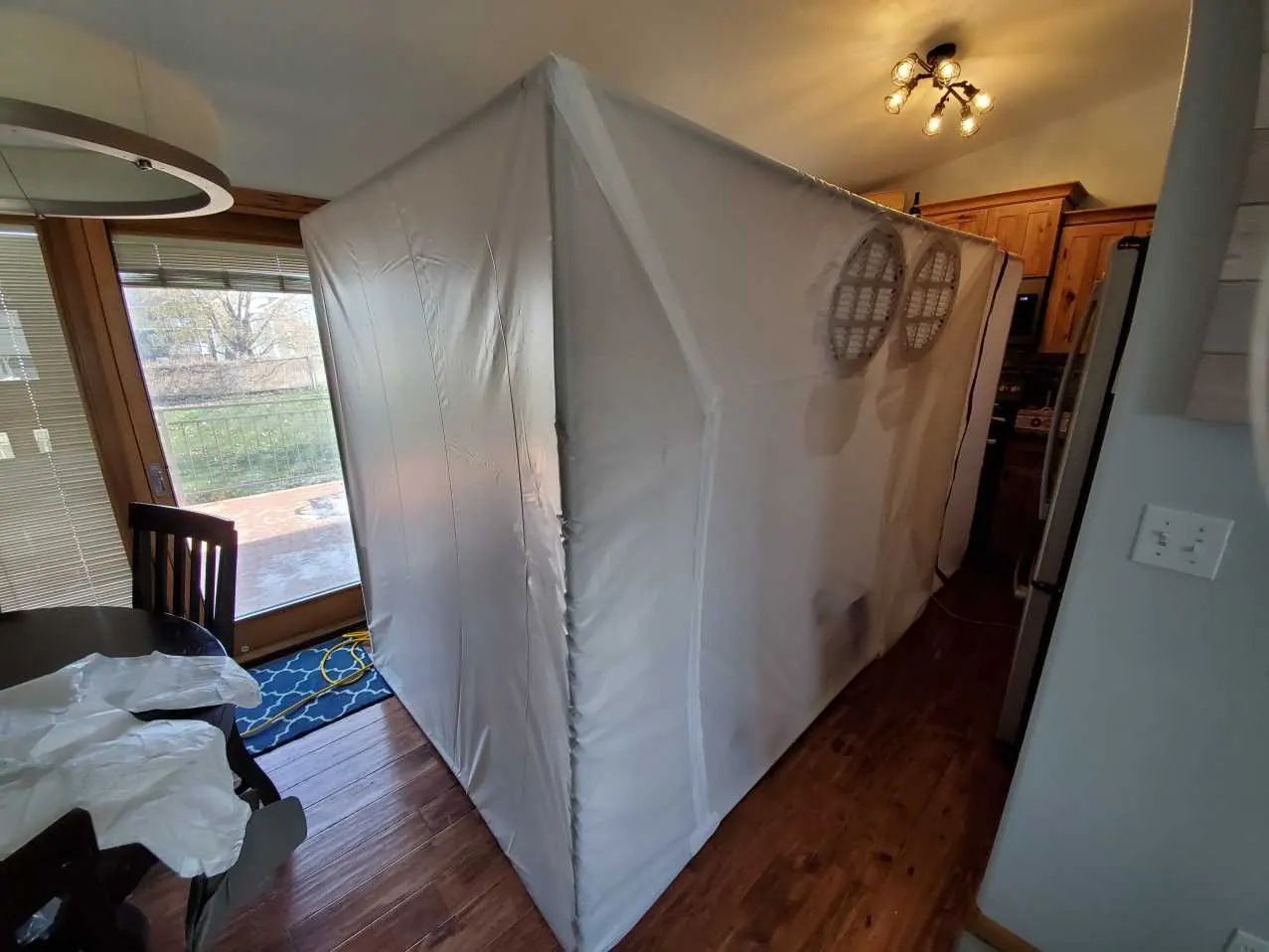
We select protective controls for the job, check moisture conditions, and explain the scope before work begins. Here are three details you can ask us about.
Containment helps control the movement of dust and debris. We assess whether the job also calls for HEPA air filtration or pressure control.
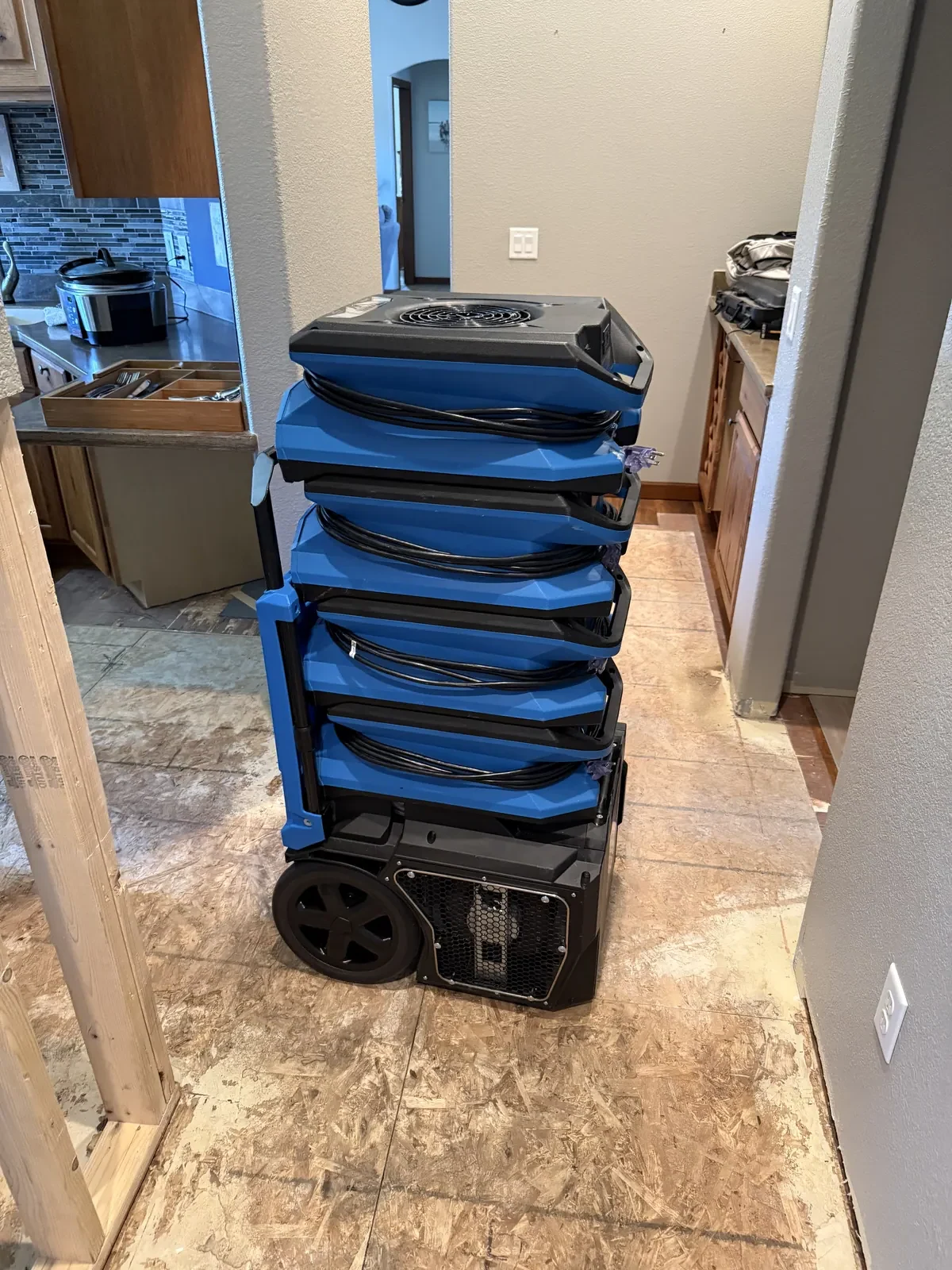
We position drying equipment for the affected materials and recheck moisture to guide the work.
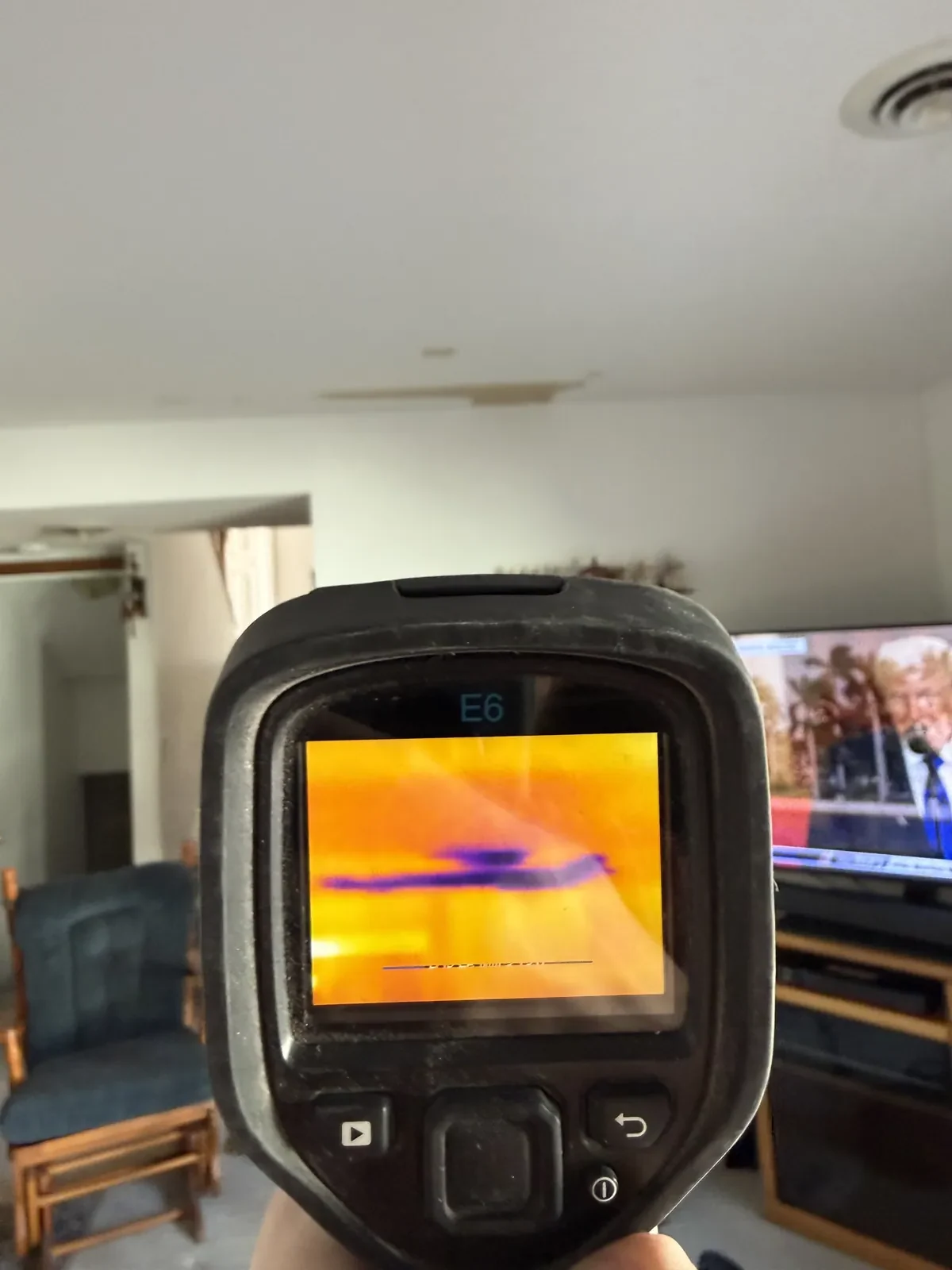
Visual inspection and moisture measurements help us narrow down where to look and what needs attention.
Our aim is to preserve restorable building materials where appropriate, while removing contaminated or unsalvageable materials when the situation requires it. The right approach starts with a careful evaluation.
We discuss the moisture history, inspect accessible materials and explain the proposed scope. A written estimate sets out the work we recommend.
Depending on the scope, we may isolate the work area, control airflow and use HEPA filtration. We choose controls based on site conditions and the materials involved.
Tell us about any known leak or recurring dampness. Addressing the moisture source is part of planning the next step.
A musty smell or a stain that returns after painting deserves a closer look. A basement wall may be taking on water after rain. A slow plumbing leak may have soaked the back of a cabinet long before the floor felt wet. Note when you first noticed the problem, what gets wet and whether it changes with the weather. Those details help us decide where to look.
Moisture allows mold to grow on materials such as wood, paper-faced drywall and carpet. The visible spot may be smaller than the affected area on the other side. If you suspect growth behind a wall, tell us what you can see and leave the materials in place for assessment. Pulling off a wall covering can spread dust and spores.
People respond differently to damp, moldy environments. The CDC describes coughing, wheezing and irritation of the eyes or nose among the possible effects. People with asthma or mold allergies can have stronger reactions. A healthcare professional can help you assess symptoms. DryDocs evaluates the building and the moisture problem. Read the CDC’s mold guidance.
Spraying a stain leaves two questions unanswered. Has the growth been physically removed, and is the material still getting wet? EPA advises against routine use of bleach for mold cleanup. Some hard surfaces can be cleaned and dried. Porous materials can be difficult to clean throughout and may need removal. See EPA’s homeowner guide to mold and moisture.
Nathan Telkamp holds the IICRC Applied Microbial Remediation Technician credential. We look at the source of the water, the materials involved and how the affected area connects to the rest of your home. We explain what we propose to clean, what may need removal and what moisture problem needs attention before rebuilding.
Where the scope calls for containment, we separate the work area and use filtration to help keep dust out of adjoining rooms. A finished surface is only part of the picture. We also look for remaining growth and signs that moisture is returning. Ask which drying records, photos or observations apply to your project.
If you call about a recurring stain, tell us which room it’s in, what’s on the other side of the surface and whether the leak has been repaired. A photo taken from a safe location can help us understand what you’re seeing. Explore our mold remediation service, call (605) 431-4404 or send your project details.
Tell us what you’ve noticed, where the property is, and which areas are affected. We’ll talk through the next step and discuss an estimate.
If water intrusion or another situation is time-sensitive, calling is the fastest way to reach us.